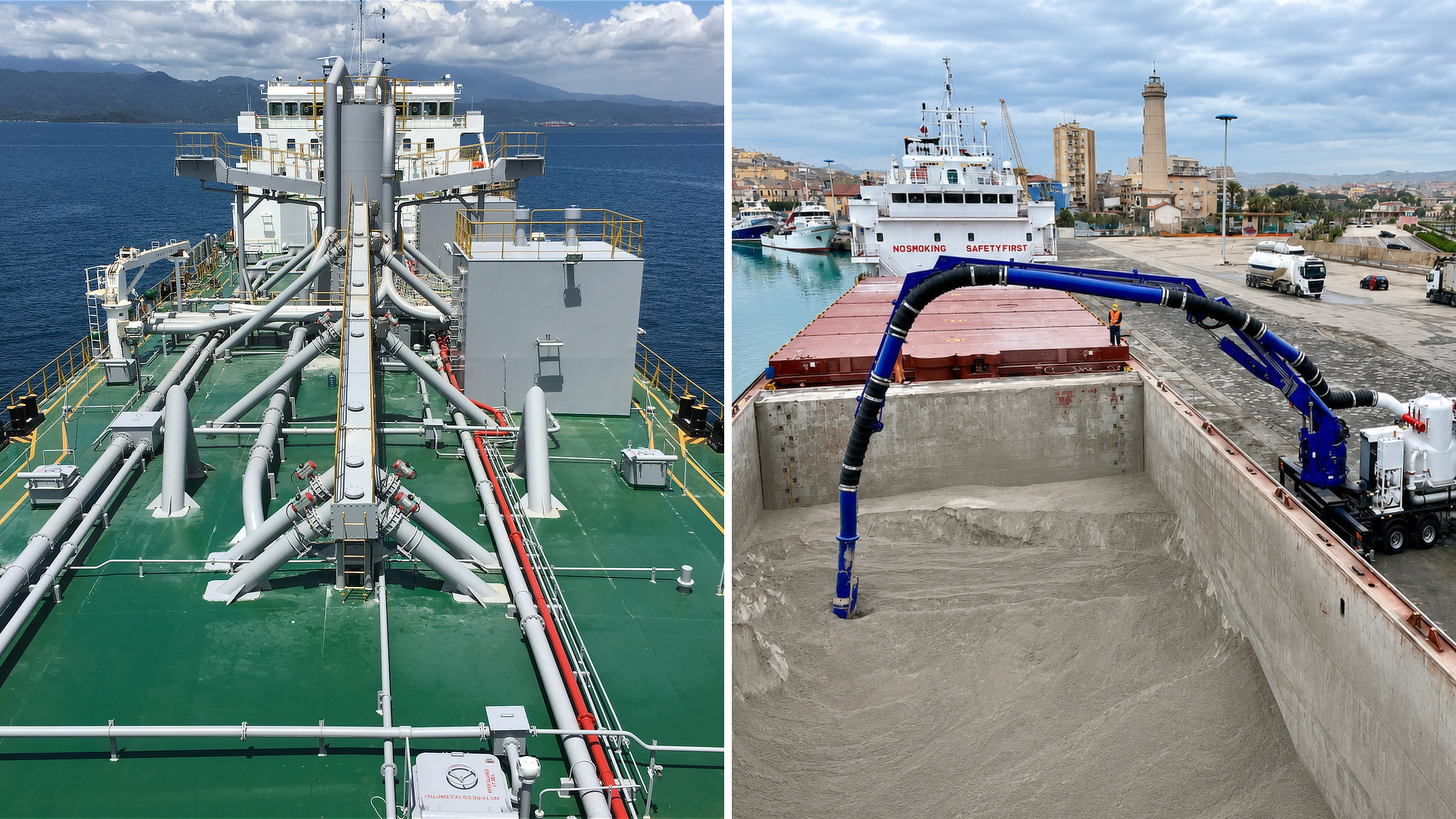
When it comes to pneumatic cement unloading, choosing between a Closed Hatch and Open Hatch system depends on several operational factors. Vessel type, terminal infrastructure, unloading flexibility and investment costs all play an important role in determining the most suitable solution.
Both configurations offer efficient, enclosed pneumatic conveying of cement, but differ in how the material is discharged from the vessel and transferred to shore.
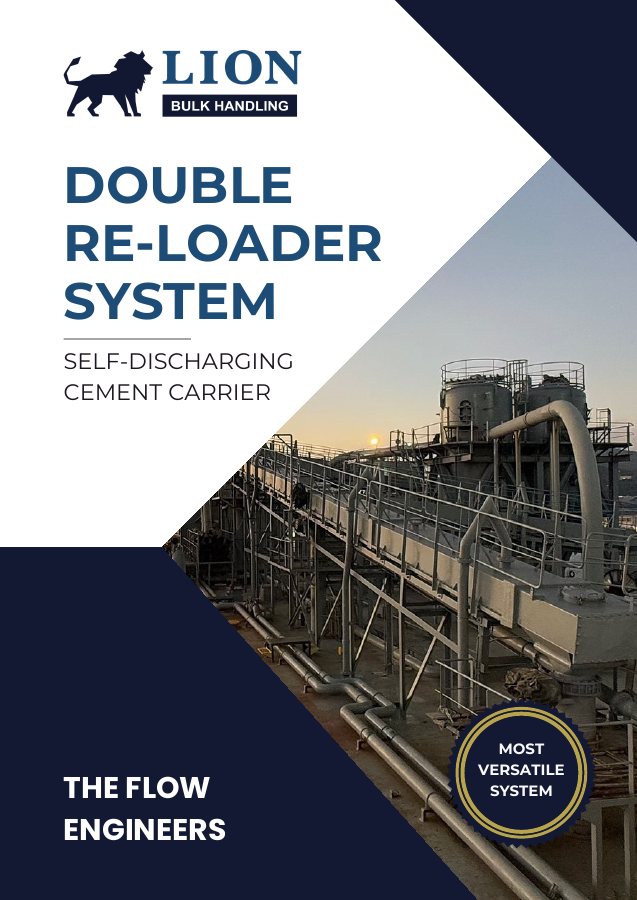
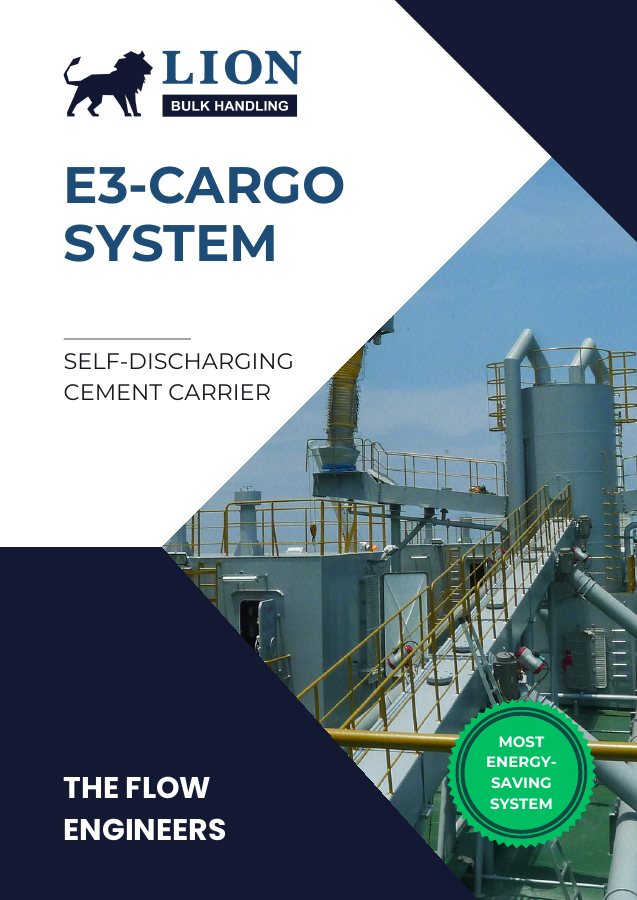
Closed Hatch: Self-Discharging Cement Carriers
A Closed Hatch configuration uses an integrated onboard unloading system to transfer cement from the vessel to shore through an enclosed pipeline.
These systems are typically installed on dedicated self-discharging cement carriers and allow cement to be discharged without opening the cargo holds.
The main advantages include continuous, dust-free unloading, limited manual intervention and reduced dependency on weather conditions.
Since the unloading equipment is integrated into the vessel, relatively little receiving infrastructure is required at the terminal. However, this approach involves investment in a dedicated vessel or the conversion of an existing carrier.
Discover our H.W. Carlsen Self-Discharging Ship configurations:
https://lionbulkhandling.com/applications/self-discharging-ships/
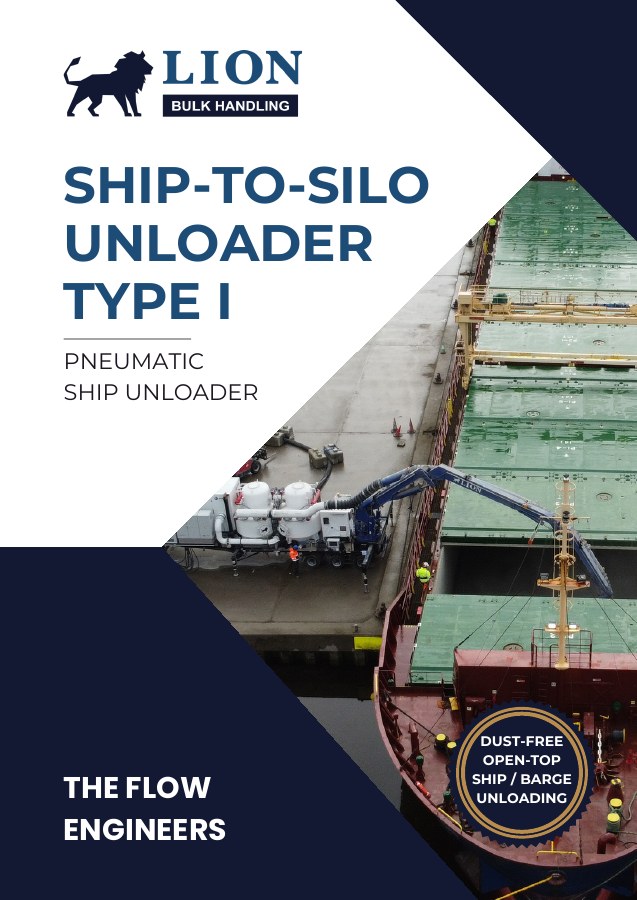
Open Hatch: Pneumatic Ship-to-Silo Unloaders
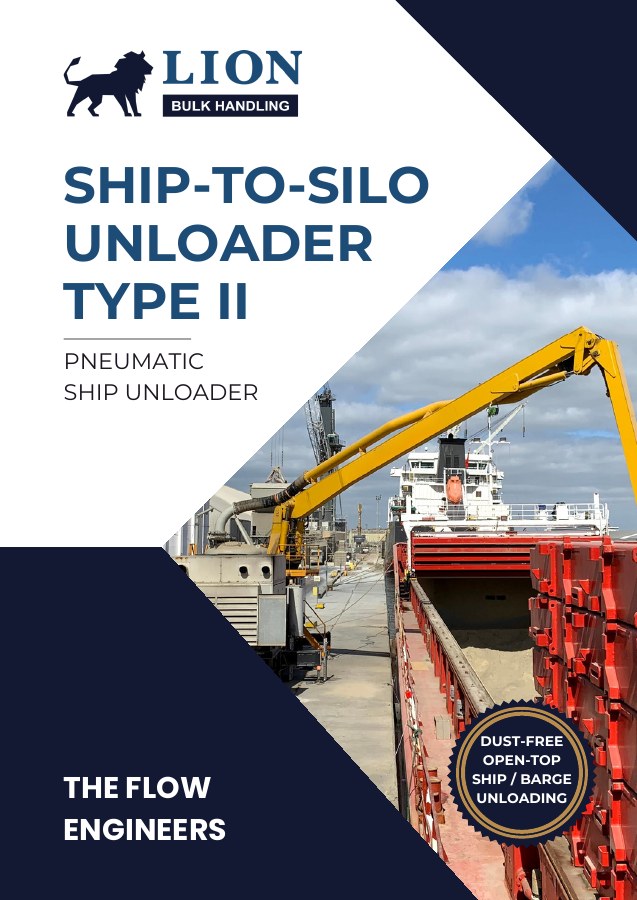
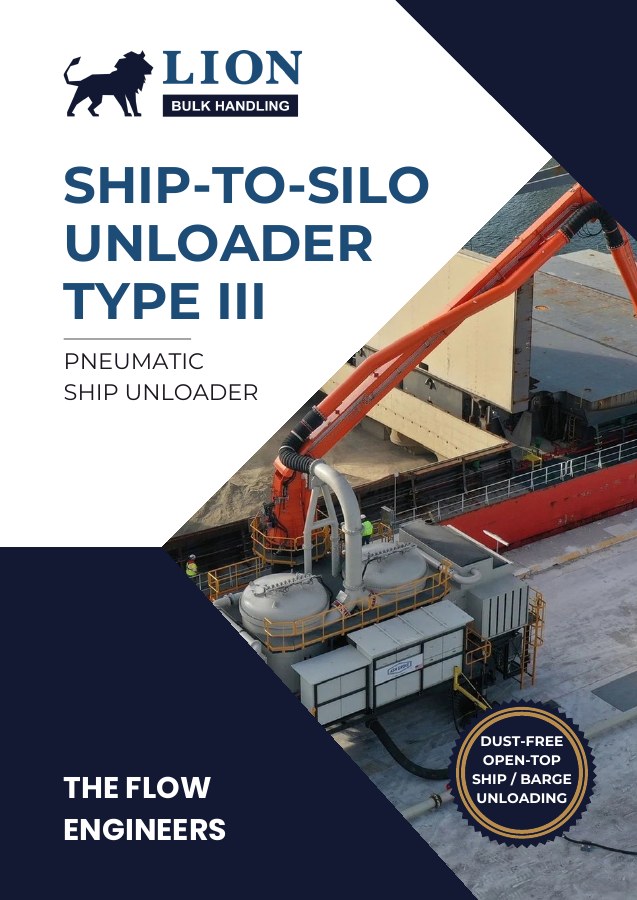
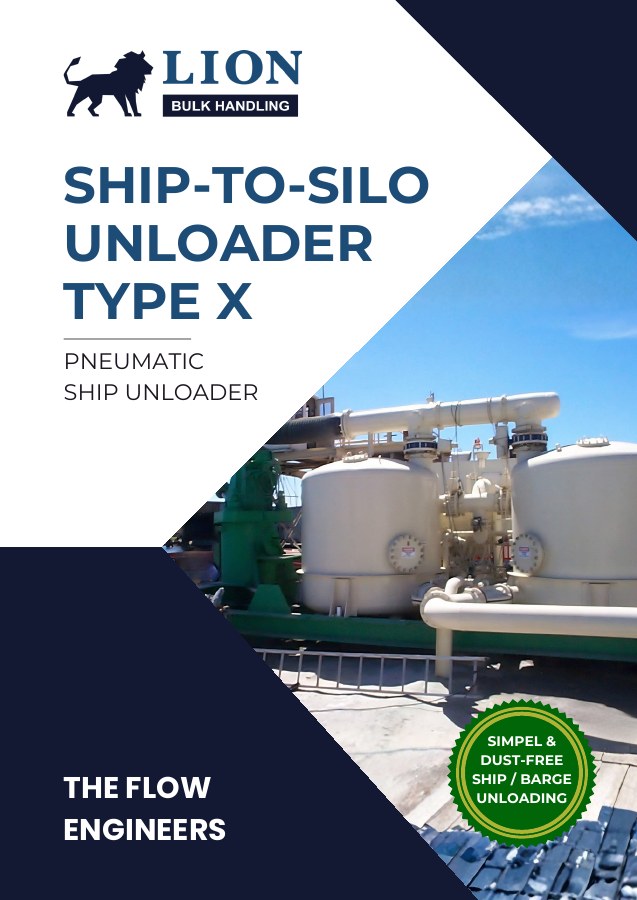
An Open Hatch configuration uses a shore-based pneumatic unloading system to transfer cement from conventional bulk carriers directly into storage silos.
A manipulator arm positions the suction nozzle inside the vessel’s cargo hold, allowing the system to access and unload cement from different areas of the hold.
This configuration provides greater flexibility when handling different vessels, without requiring a dedicated onboard unloading system.
However, the unloading process generally involves more manual intervention and is more dependent on weather conditions, as the cargo holds remain open during operation.
Discover our KINTEC Ship-to-Silo Unloader configurations:
https://lionbulkhandling.com/applications/ship-to-silo-unloaders/
Which Cement Unloading System Is Right for Your Operation?
The choice between Closed Hatch and Open Hatch unloading depends on the specific requirements of the vessel, terminal and overall logistics operation.
Closed Hatch systems offer greater operational independence and reduced reliance on shore-based unloading equipment. Open Hatch systems provide more flexibility when receiving conventional bulk carriers with different configurations.
However, the two approaches are not always mutually exclusive. KINTEC Ship-to-Silo Unloaders can also support Closed Hatch unloading operations when connected to vessels equipped with fluidized floors.
This provides additional possibilities for terminals handling different vessel types and unloading arrangements.
Ultimately, selecting the right pneumatic unloading system requires evaluating vessel compatibility, terminal infrastructure, operational requirements and long-term investment considerations.
Find the Right Solution with Lion Bulk Handling
At Lion Bulk Handling, we provide pneumatic cement unloading solutions designed for different vessel types and terminal requirements.
Whether you are considering an onboard H.W. Carlsen self-discharging system or a shore-based KINTEC Ship-to-Silo Unloader, our team can help you explore the most suitable configuration for your operation.
Looking for the right cement unloading solution?
https://lionbulkhandling.com/contact/